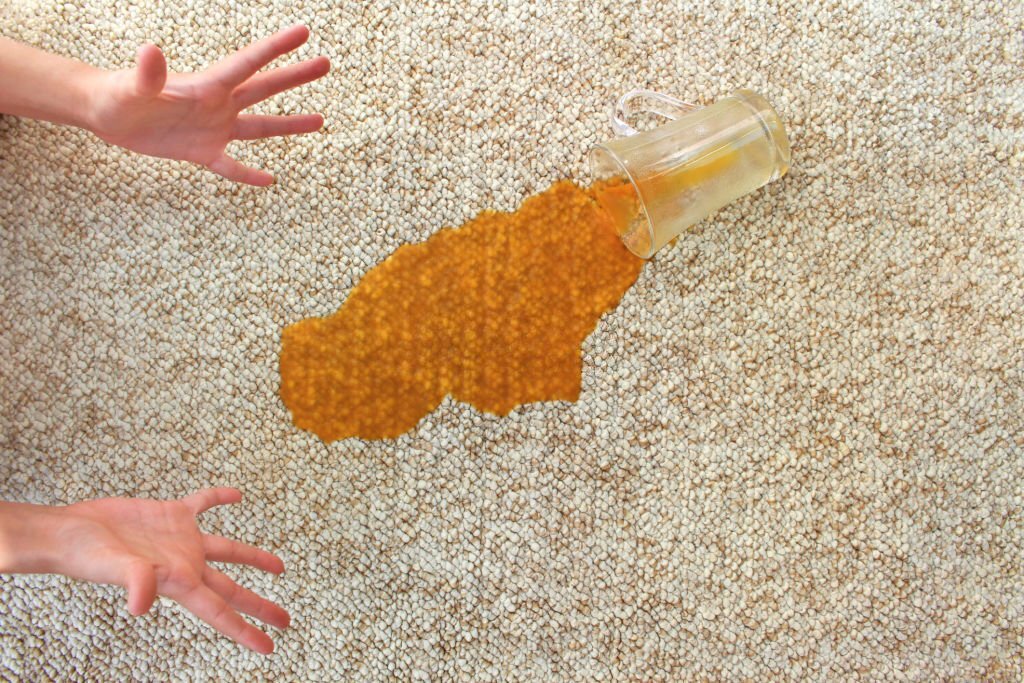
You were aiming for the plate, but the curry had other ideas, and now, your carpet is sporting a shade of yellow-orange that definitely wasn’t part of its design five minutes ago.
However, don’t give up on your carpet or start reshuffling furniture to hide the mark just yet. There’s a way to fix this, and it doesn’t involve flipping your entire living room. You have several options, and we’re about to walk you through them.
Let’s begin!
Move Fast
Curry spills waste no time ruining your carpet, and neither should you if you want to save it. With turmeric’s bright pigment and the high oil content, they start sinking into carpet fibres almost immediately, which can turn a simple problem into a long-term one if you’re not quick.
Even a few paper towels and a calm head can go a long way if you catch it in time. So, don’t worry about having the perfect cleaning kit ready to go and just focus on getting started.
Blot, Don’t Rub
We get it. Your first instinct might be to scrub the stain out like your life depends on it. While this may work for your frying pan, carpets are a different story. Rubbing will only drive the spill deeper into the fabric, making it a permanent mark.
Instead, grab a clean cloth or paper towel and gently blot the area, pressing down lightly to absorb as much of the curry as you can. Just make sure to always work from the outside in. This way, you can contain the mess instead of smearing it around.
This may take some time, so be patient, keep blotting, and save the heavy-handed scrubbing for something that actually deserves it, like your grout.
Use Cold Water First
Curry stains are bad enough without you adding hot water into the mix. It may seem like a shortcut, but it will only make the stain dig in deeper.
So, stick with cold water and either spray it lightly or dab it on with a cloth. Don’t be too heavy-handed, though. If you add too much water, you risk damaging the underlay, trapping moisture, and ending up with a replacement that costs an arm and a leg.
Choose the Right Cleaning Solution
Not all fabrics are created equal. So, before you start spraying and praying, think about what you’re working with.
For most synthetic carpets, a mix of dish soap and cold water will do the trick. It’s a simple, safe, and surprisingly effective method for removing oily smudges like curry.
If your curry was of the creamy, butter-loaded variety, you can follow up with a splash of diluted white vinegar after cleaning to help cut through any leftover grease. You probably have a bottle in your kitchen cabinet already, so you won’t have to splurge on extra cleaners.
However, if your rug is a bit more expensive or the fabric is delicate, you’ll want to buy a proper carpet cleaner from the store.
Whatever you’re using, test it on a hidden patch first, under the couch, behind a door, or wherever your guests aren’t likely to look. Bleach and harsh cleaners can turn your lightly stained carpet into a bi-tone, crispy mess.
So, think of this test patch as your trial run. If your carpet stays soft and colourful, you’ve got the green light.
Apply the Solution and Blot
Once your cleaner is ready, it’s time to show that stain who’s in control!
Apply the solution to the affected area and give it a few minutes to sink in. This isn’t a rush job, so if you have dinner plans, you may want to move them to the weekend.
Next, use a clean, white cloth—nothing patterned or brightly coloured, unless you’re in the mood to tie-dye your rug.
Press the cloth gently onto the stained area, lifting the solution and any loosened residue without grinding it back in. In any case, avoid scrubbing, twisting, or pressing too hard, especially if the carpet has a delicate weave or pile.
Work from the outside in so you don’t accidentally spread the stain wider. And yes, you might have to go over it a few times. This is one of those annoying but necessary steps where slow and steady actually will get you better results.
Rinse and Reset
Congratulations—you’ve made amazing progress, so don’t let leftover soap or curry sneak back in and undo it.
To clear out any remaining residue, give the area a quick rinse with cold water. Skip the urge to overdo it; you’re aiming for slightly damp, not a mini flood.
Once you’ve rinsed the area, grab a clean towel and blot up the moisture. If you’ve got a wet vacuum, now is the time to put it to good use. If not, patience and a dry towel will do the job just fine.
Remember, leftover cleaner has a bad habit of turning into a dirt magnet. So, think of this step as a reset button. After all, your carpet deserves a clean slate, not a sticky encore.
Still worried about lingering smells or oily residue? You can sprinkle a bit of bicarb soda over the damp spot once you’re done rinsing, but don’t forget to vacuum it after 1-2 hours.
Dry the Carpet
Getting curry out is one thing, but making sure it doesn’t come back with a side of mould is another.
So, pop open a window, bring in a fan, or if you’re fancy, run a dehumidifier to help dry the fabric. Just go easy on direct sunlight unless you’re keen on fading the carpet into a whole new colour palette.
You can also press a clean towel over the damp spot and weigh it down with books to soak up the last bit of moisture. And whatever you do, resist walking over it until it’s completely dry. No one wants footprints on their masterpiece.
Still seeing a shadow of that stain? Don’t stress. Sometimes, it’s best to call in the pros. The right provider will have the right gear and the best carpet cleaner to get your rugs as fresh as a daisy, no scrubbing required.
Conclusion
That stain could have wrecked your carpet, but thanks to your quick action, it’s saved! No need to strategically rearrange furniture or come up with awkward explanations about that so-called ‘vintage patina’ anymore.
The day is saved, and now it’s time to celebrate. You’ve more than earned it! Just watch out if you’re eating takeout on the floor with your legs crossed.